Author: Summarizer

  • ICT’s First Twitter Broadcast | May 20, 2022

    Summary — key points from the ICT

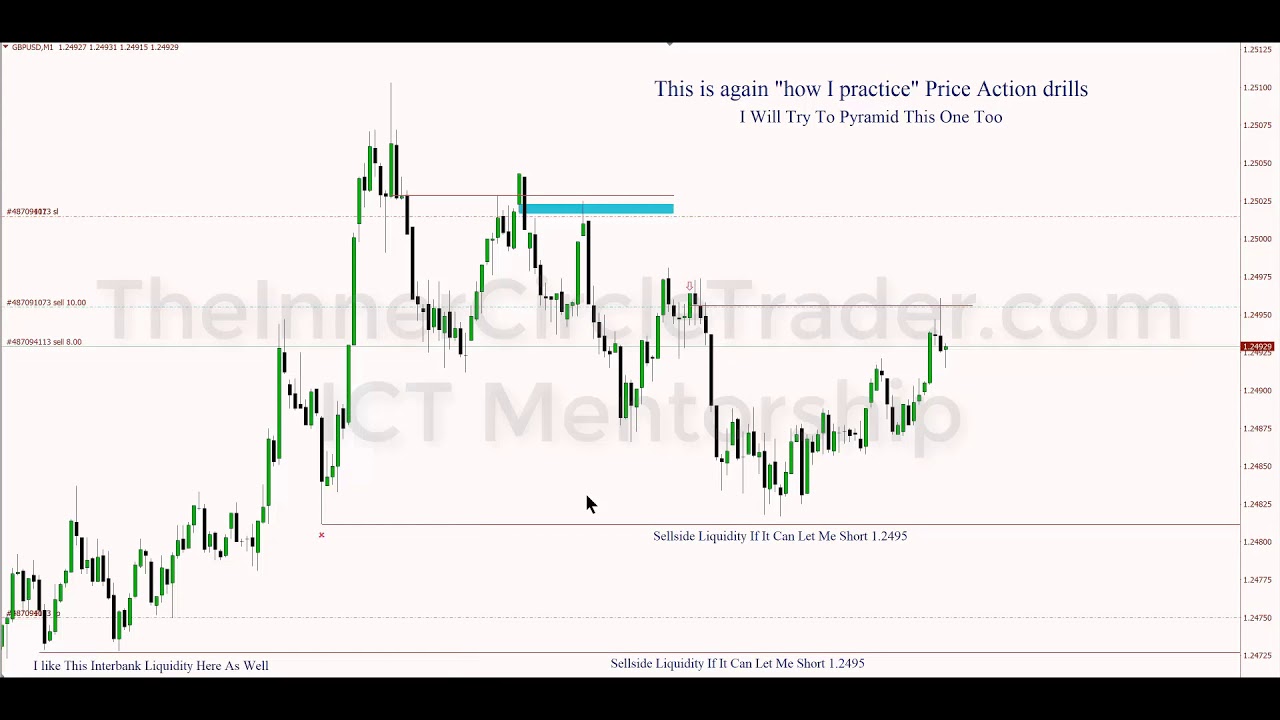
    – Session setup: host tests audio and explains this will be a short, informal morning discussion while he watches opening price action.

    – Market context (May 20, 2022): quiet Friday with no major news; end-of-week dynamics matter. Thursday had a large down-range “outside day with a down close.” SPX and Nasdaq failed to make a new low versus May 12, while the Dow did — the averages are not all confirming (dow theory divergence).

    – Technical takeaways: – Focus on the E‑mini S&P (5/15‑minute frames used in examples). Key levels mentioned: ~39.50, 39.15¼, 38.55 (ES equivalents throughout the talk); Nasdaq ~11,950. – Fair Value Gap (FVG) and liquidity sweeps are central concepts: identify imbalance candles (example: the 8:10 five‑minute candle), note where buy/sell stops rest, and anticipate runs to old highs/lows (low‑resistance liquidity runs).

    – High‑probability trades are one‑sided moves where the opposing case is hard to justify given the narrative (e.g., clear liquidity run toward an old high or old low). These “unicorn” setups don’t occur every day. – Intraday approach & practical rules: – On choppy/consolidation days (50/50), refrain from active trading; wait for the last hour or clear high‑probability setups.

    – Tape‑read, annotate, backtest and forward‑test in demo/paper first — don’t rush into live trading.

    – Manage risk: use stops, scale out (take bulk off in the middle of range), avoid excessive leverage, and know when to stop trading after losses. – Avoid chasing breakouts (late entries) — enter logically where price is likely to be drawn, not after confirmation by large moves.

    – Psychology & pedagogy:

    – Trading is hard because of human flaws (discipline, perfectionism, fear). Expect uncertainty, failure and emotional fatigue; these are part of learning.

    – The mentor emphasizes independent thinking: teach students to verify patterns themselves rather than parroting rules or expecting hand‑holding.

    – Warns against social‑media “influencers” who glamorize results without discussing risk or providing verifiable live statements.

    – Personal notes: anecdotes about early career mistakes (chasing breakouts, poor stops, high commissions), pride in mentoring his children, and intention to keep teaching without sales pitches. He’s testing live streaming and will post recordings.

    – Bottom line: study price action, learn to recognize FVGs, liquidity sweeps and one‑sided liquidity runs, trade conservatively on consolidation days, backtest/observe extensively, and prioritize risk control and psychological discipline over chasing flashy setups.
  • 2022 ICT Mentorship Episode 31

    2022 ICT Mentorship Episode 31

    https://www.youtube.com/watch?v=OYNpIeu9czw

    Summary:

    The video reviews an S&P 500 June 2022 daily/short-term trade centered on the May 16, 2022 low as a key liquidity/target area. The presenter warns viewers not to trust anyone messaging them privately (WhatsApp/Twitter DMs) or asking for money—those are scammers—and clarifies he will never direct-message or solicit funds.

    He explains his trading approach: he teaches where the market is likely to go (scout), but does not spoon-feed exact entries, stops, and exits. Traders must learn to execute using his concepts (fair value gaps, order blocks, swing highs, liquidity hunts) and manage their own orders. He notes he’s been focusing on index futures because they currently offer more volatility than forex, though he expects currency volatility to return within ~12 months.

    He then walks through his trade: he entered a short position around 4700.75 targeting the May 16 low, using a fair value gap/order-block setup and a bearish swing-high trigger. He took partial profit, trailed his stop as the move accelerated (sound risk management, not fear), and the trade ultimately reached the low of the day. He reiterates he won’t hand-hold traders and that the methods work if you study and apply them.

  • ICT Forex Lesson – EurUsd NYO Lecture

    ICT Forex Lesson – EurUsd NYO Lecture

    https://www.youtube.com/watch?v=RRiqh-8gWqA

    Summary:

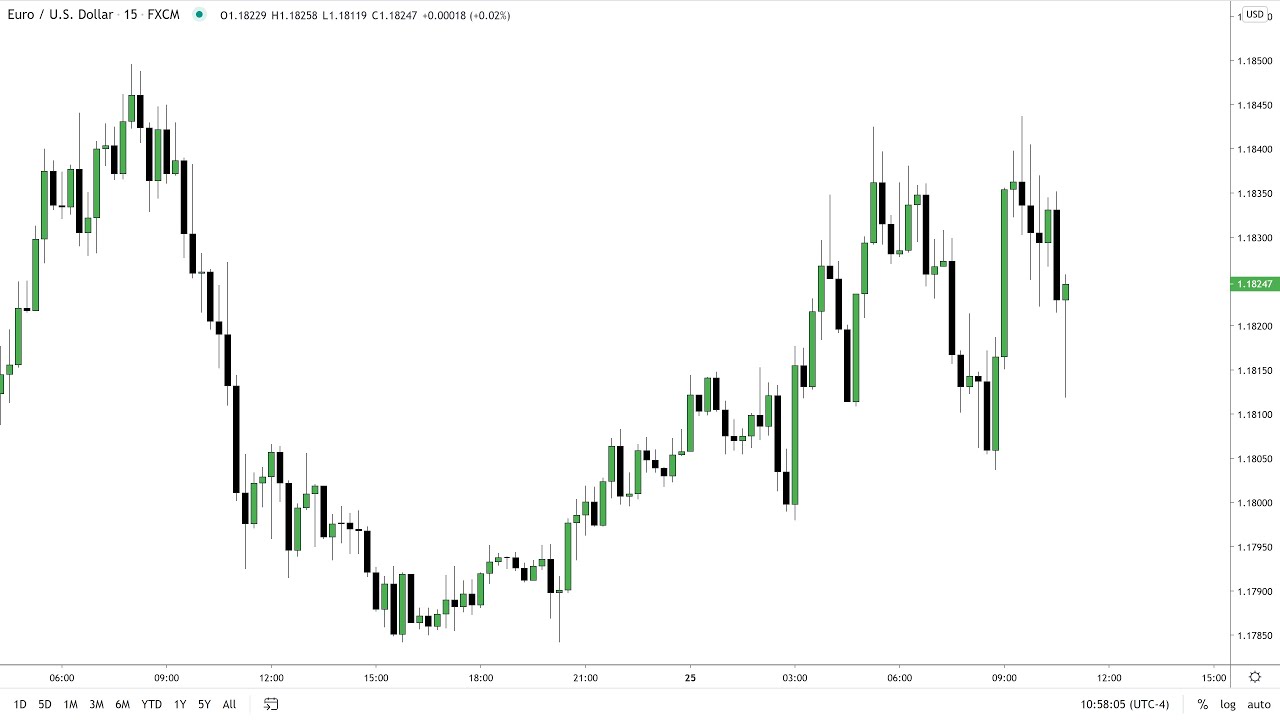
    – Video analyzes EUR/USD on the 15‑minute chart and previews a deeper lesson in the mentorship midweek review; updates and the naked chart are posted on the channel’s Community tab (use the notification bell).
    – Instruction to set charts to New York time (vertical day start at midnight NY) so lesson timing (New York session 8:30–11:00) aligns for all viewers.
    – Market context: consolidation/range after Monday’s high, with multiple equal lows/highs—trade the range until a clear displacement occurs rather than chasing breakouts.
    – Key concepts used: order blocks (bearish and bullish), mean threshold (mid‑body), mitigation blocks, buy/sell‑side liquidity and “judas” swings. The trader emphasizes trading price logic/algorithmic repricing to order blocks rather than relying on FIBs.
    – Trade recap (5‑min detail): went short into a bearish order block at the last up‑close candle after a failed retest of the swing high; targeted sell‑side liquidity below recent lows. Scaled off ~80% of the position when a short‑term high was taken out and trailed the remainder to ~1.1820.
    – Outlook: still favors a run toward prior equal highs and the 1.1850 area for liquidity. Emphasis on starting small, managing risk, and not letting money size drive poor decisions.

  • ICT Mentorship – Learn How To Read Forex Price Action

    ICT Mentorship – Learn How To Read Forex Price Action

    The text is essentially a series of repeated music cues (“[Music]”) with no lyrics or descriptive content, except for a single occurrence of the word “you.” In short: it’s primarily repetitive musical content with one spoken word.

  • ICT Precision Trading Concepts – 3

    ICT Precision Trading Concepts – 3

    https://www.youtube.com/watch?v=nMmihrR-0Q0

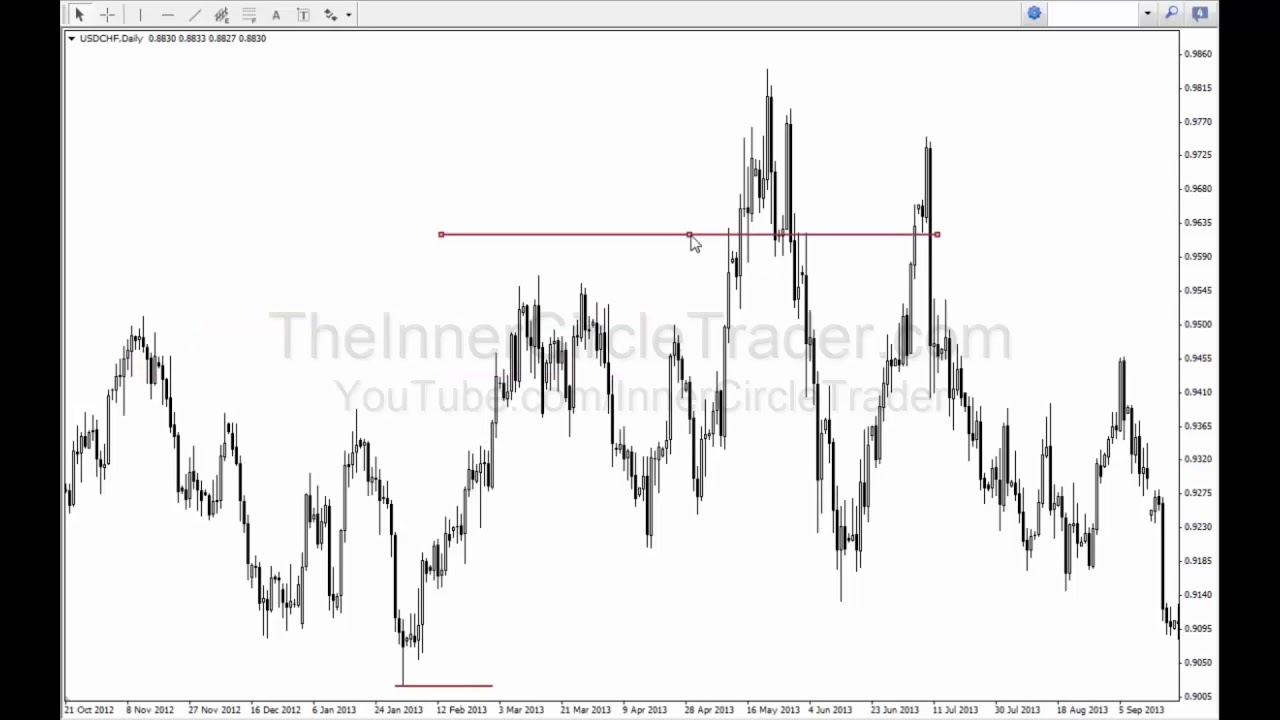
    – Concept: “L7” or “inside the range” trading — a simple framework for trading within predefined price ranges rather than always needing a directional bias.
    – Core premise: markets spend roughly 70% of the time in ranges. If you know the current range high and low, you can trade short-term reversals and counter-swings with favorable odds.
    – Tools/markers: identify range highs/lows, nested (fractal) ranges, and institutional order blocks (bullish/bearish supply–demand zones). Watch for liquidity sweeps and retests of those order blocks.
    – Execution: prefer taking trades at the extremes of the active range (sell near range highs into bearish order blocks, buy near range lows into bullish order blocks). Avoid buying into a bearish order block at the far extreme of a range on higher timeframes.
    – Risk management: trade short-term (intraday or swings), don’t overstay positions, and use partial profit-taking (example: take ~80% off at a logical resistance and leave ~20% to capture a possible continuation).
    – Practical notes: expect some failures—not every setup wins. Use Fibonacci, patterns, and confluence to refine entries. The Swissy (USD/CHF) was used as an example because of its volatility and frequent range behavior.
    – Benefit: more trading opportunities and consistent small wins without relying on a long-term directional premise, provided you are disciplined and systematic.
    – Study recommendation: spend time mapping highs, lows, and order blocks across your preferred pairs to find repeatable range setups.