Summary:
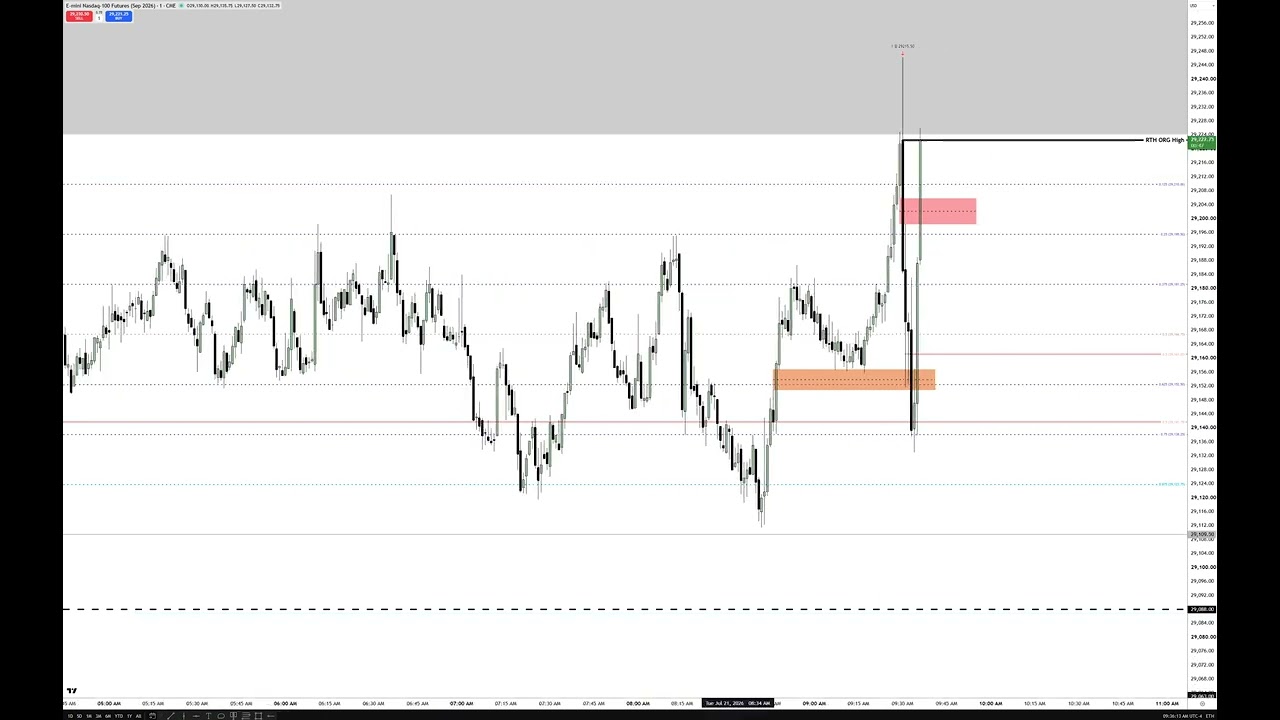
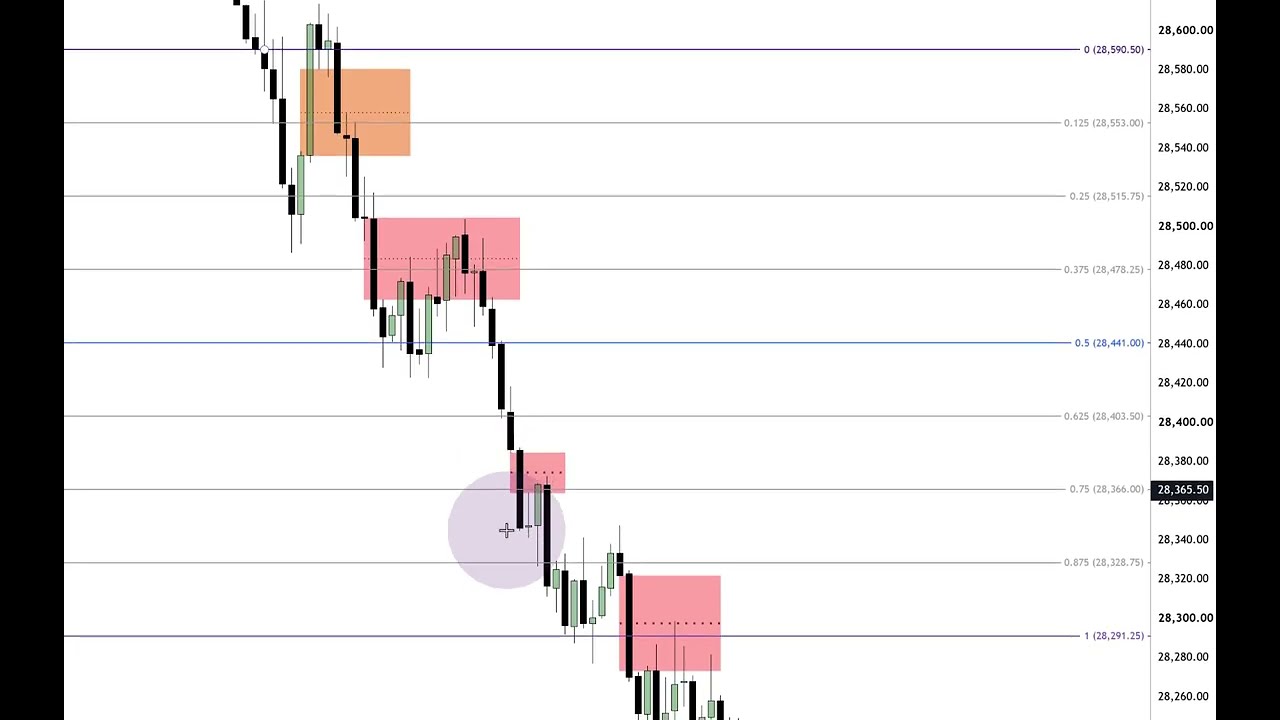
– Event horizon / Octa: Michael taught using an event horizon located between the lower cell side and the low of the daily suspension block. Bodies not touching an event horizon (or Octa) is an algorithmic signature; if price then goes above the consequent encroachment (CE) of a premium wick, close the position.
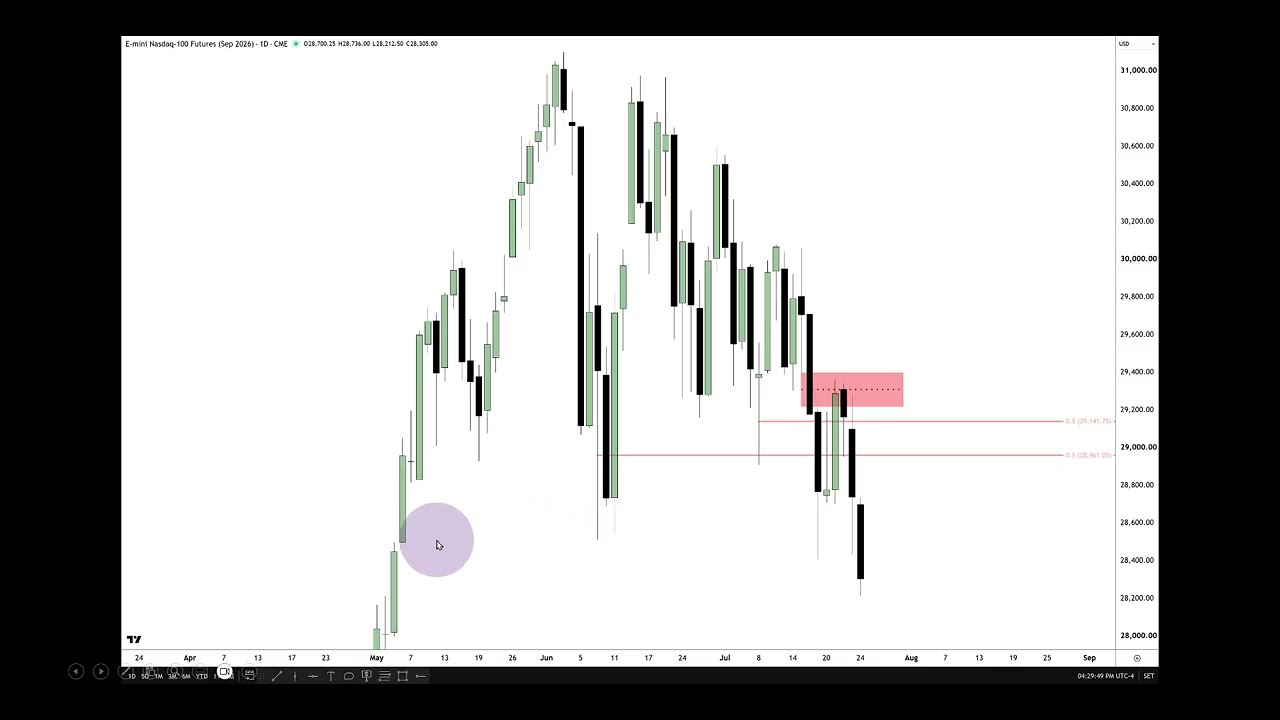
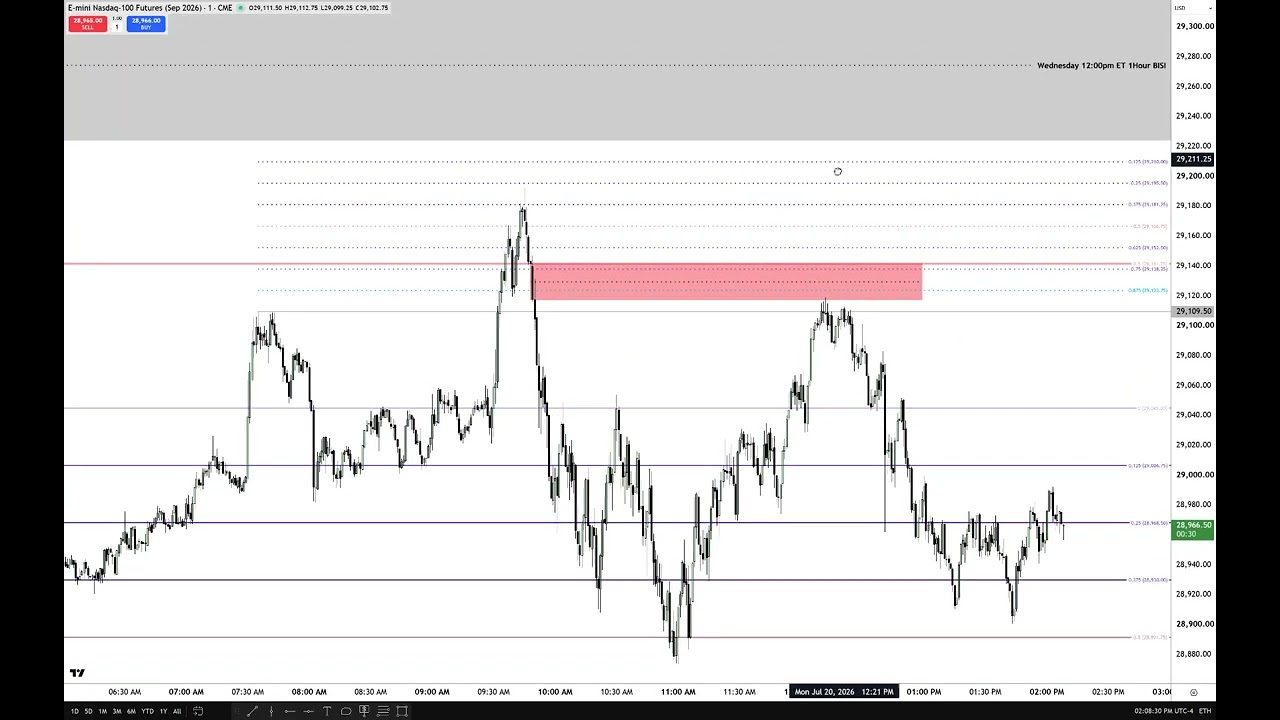
– Daily suspension block behavior: If price exits the suspension block downward, any retracement must remain below the block’s lower quadrant to remain bearish; a retracement above the lower quadrant suggests a likely move to intraday highs.
– First-presented fair value gap (FPFVG) and entries: FPFVGs can be used as inversion entries—wait for price to clear the old high/low, then enter from the consequent encroachment to the gap low (or equivalent structure). Lower timeframes can provide more precise entry/fair-value-gap structure when needed.
– Volume imbalances / suspension blocks:
High-timeframe volume imbalances and suspension blocks are important PD arrays in 2025–26; analyze them on the continuous contract so rollovers and gaps remain visible.
– Regular trading hours (RTH) vs electronic hours (ETH): The algorithm “redelivers” inefficiencies seen overnight into RTH. Neither is inherently greater; use them together (ETH shows continuous structure that RTH revisits).
– Tape reading & practice plan: Learn to draw likely direction, watch open/high/low/close in real time (avoid market replay). If you can’t watch live, record sessions (OBS recommended) and review. Do at least 6–8 weeks of focused live tape reading, then 6–8 weeks of paper trading.
– Journaling & psychology: Keep private journals tracking concrete KPIs (e.g., how specific setups perform at specific times), contract sizes that make you nervous, and the internal voice. Awareness and control of emotion improves trading.
– Risk management and market environment guidance: Given current extreme volatility and manipulation, return to basics—lower leverage, smaller goals (single high-probability moves), and preserve capital rather than chasing big windfalls. Be nimble: close trades when your pre-defined market-signature conditions change. – Instruments caution: Michael advised caution on gold (and similar highly manipulated instruments); many students are recommended to avoid it given current conditions.
– Community / session conduct: Michael asked listeners to provide concise, structured feedback about what they observed in price action (so he can build models). He requested less chit-chat and more focused answers to make sessions efficient and more useful to everyone. Overall takeaways: focus on simple, repeatable PD arrays (suspension blocks, volume imbalances, FPFVGs, quadrants/octas), practice disciplined tape-reading and journaling, use ETH and RTH in combination, manage risk tightly in the current volatile market, and contribute concise, structured feedback in live sessions
Quiz
.1) What did ICT say about the relationship between regular trading hours and electronic trading hours?
A. Regular trading hours are greater than electronic trading hours
B. Electronic trading hours are greater than regular trading hours
C. They work together, and one is not greater than the other
D. They should never be used together
2) According to ICT, what should traders do in the current high-volatility market?
A. Use the most aggressive leverage possible
B. Focus on simplicity, lower leverage, and basic trading
C. Hold for the daily high and low every day
D. Trade for long periods until a full move completes
3) When ICT discussed the wick near the consequent encroachment, why did he say he chose that wick?
A. It was the highest wick in the session
B. It was the lowest wick in that price run ahead of his target
C. It was the first wick of the opening range gap
D. It was the wick with the biggest volume imbalance
4) What did ICT say about the first presented fair value gap in today’s market conditions?
A. It should always be traded with full size
B. It only works on gold
C. It is a useful tool, but precision is harder right now because of volatility
D. It should be ignored in all cases
5) What did ICT say about trading gold? A. Gold is the best instrument to trade right now
B. He recommends everyone trade gold for volatility
C. He does not think anyone should be trading gold right now
D. Gold is only good for swing trading, not intraday trading
Answer key:
1) C Evidence: “[26:18] ICT: The emphasis is on redelivery and redelivery is accomplished in regular trading hours… whatever inefficiencies or P.D arrays exist in electronic trading hours… it’s a dance between the two… One’s not greater than the other.”
2) B Evidence: “[01:10:10] ICT: …just going back to the, the lowest of required elements to a trade and lower leverage… “ and “[01:11:05] ICT: …I’m proud of it… It’s giving you the inspiration to think pres preservation, not capital increasement.”
3) B Evidence: “[01:30:00] ICT: The wick I chose because it was the lowest one in that price run ahead of my target.”
4) C Evidence: “[01:46:27] ICT: I’m not demanding that level of precision right now… there’s a lot of chaff in the marketplace.”
5) C Evidence: “[01:16:12] ICT: …I would personally not touch this market.” and “[01:16:30] ICT: …I don’t think any of you should be trading gold…”